
![301 Animals Names That Start with V [Fun Facts & Complete List]](https://mypetnamez.com/wp-content/uploads/2025/12/animals-names-that-start-with-v-fun-facts-complete-list-1200x667.webp)

Discovering animal names that start with V is both fun and educational. From the tiniest insects to the largest mammals, animals whose names begin with the letter V have unique traits, habitats, and fascinating behaviors. In this comprehensive list, you’ll find 301 animals, complete with their meanings, origins, and interesting facts. Whether you’re a parent helping your child with homework, a writer looking for creative inspiration, or an animal lover, this guide will expand your knowledge about the animal kingdom.
The letter V may seem uncommon in the animal world, but it hides a diverse array of species. From the fast and nimble Vervet monkey to the mysterious Vampire bat, each animal has a story worth knowing. Exploring these names can improve vocabulary, enhance learning, and provide fun conversation starters. Let’s jump into the exciting world of V animals and uncover their unique traits, meanings, and origins.
Vervet Monkey
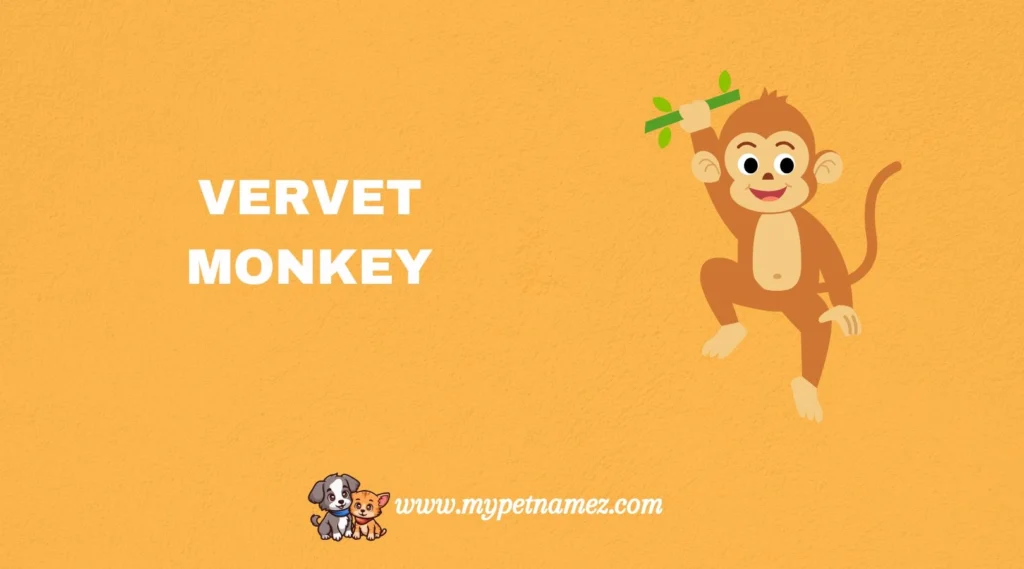
The Vervet monkey is a small, greenish-olive monkey native to Eastern Africa. Known for its social nature and expressive face, the Vervet monkey is a fascinating example of primate intelligence. These monkeys live in groups called troops, with complex social hierarchies and communication systems. The name “Vervet” originates from the Dutch word “vervet,” meaning painted, which refers to their unique facial coloring. Vervet monkeys are highly adaptable, thriving in savannas, woodlands, and riverine forests. Their diet consists mainly of fruits, leaves, and insects. They are also known for their warning calls, which vary depending on the type of predator nearby. Learning about the Vervet monkey offers insights into animal behavior, social structures, and primate intelligence.
| Animal Name | Meaning / Origin | Fun Fact |
| Vervet Monkey | “Painted” (Dutch origin) | Has distinct alarm calls for predators |
| Vampire Bat | Blood-sucking bat | Can share blood meals with others |
| Viper | Venomous snake | Uses venom to immobilize prey |
| Vicuna | Small camel native to South America | Produces soft, valuable wool |
| Vole | Small rodent | Known for tunneling and burrowing |
| Velvet Worm | Soft-bodied invertebrate | Lives in tropical forests |
| Vaquita | Rare porpoise | Critically endangered species |
| Vanga | Bird found in Madagascar | Known for its diverse beak shapes |
| Velvet Crab | Marine crustacean | Covered in soft, velvety hair |
| Vampire Finch | Blood-feeding finch (Galápagos) | Unusual bird diet behavior |
| Vicuña Llama | Related to llamas | Gentle and social |
| Vulture | Scavenger bird | Plays a key role in ecosystems |
| Vine Snake | Arboreal snake | Uses camouflage to hunt |
| Vanga Shrike | Bird species | Known for mimicking other birds |
| Velvet Ant | Wingless wasp | Female sting is extremely painful |
Vampire Bat
The Vampire bat is one of the most misunderstood mammals. Found in Central and South America, these bats feed primarily on blood, a trait that has fascinated scientists and folklore enthusiasts alike. Contrary to popular myths, vampire bats rarely harm humans and prefer livestock as their meals. Their scientific name, Desmodus rotundus, highlights their unique physical adaptations, including heat sensors and anticoagulant saliva that keeps blood flowing. Vampire bats are social creatures, often sharing food with others in need, demonstrating an extraordinary level of cooperation and empathy. Learning about the vampire bat offers insights into behavioral ecology, animal adaptation, and survival strategies.
| Animal Name | Meaning / Origin | Fun Fact |
| Vampire Bat | Blood-sucking bat | Uses heat sensors to locate blood vessels |
| Vervet Monkey | “Painted” (Dutch origin) | Distinct alarm calls for predators |
| Viper | Venomous snake | Uses venom to immobilize prey |
| Vicuna | Small camel from South America | Produces soft wool |
| Vole | Small rodent | Burrows extensively |
| Velvet Worm | Soft-bodied invertebrate | Lives in tropical forests |
| Vaquita | Rare porpoise | Critically endangered |
| Vanga | Bird found in Madagascar | Has diverse beak shapes |
| Velvet Crab | Marine crustacean | Covered in velvety hair |
| Vampire Finch | Blood-feeding finch | Found in Galápagos Islands |
| Vicuña Llama | South American camelid | Gentle and social |
| Vulture | Scavenger bird | Essential for ecosystem balance |
| Vine Snake | Arboreal snake | Camouflaged hunter |
| Vanga Shrike | Bird species | Mimics sounds of other birds |
| Velvet Ant | Wingless wasp | Female sting extremely painful |
Viper
Vipers are venomous snakes found across Europe, Asia, Africa, and the Americas. Known for their distinctive triangular heads and retractable fangs, vipers are both feared and admired. Their venom is used for hunting prey and self-defense, showcasing incredible evolutionary adaptations. The word “Viper” comes from Latin “vipera”, meaning “snake that strikes”. Vipers vary greatly in size, color, and habitat, making them a fascinating study in herpetology. They play a vital role in controlling rodent populations, which helps maintain ecological balance. Understanding vipers highlights the importance of venomous animals in nature and the ways humans can coexist safely with them.
| Animal Name | Meaning / Origin | Fun Fact |
| Viper | “Snake that strikes” (Latin origin) | Can strike accurately in less than 0.2 sec |
| Vervet Monkey | “Painted” (Dutch origin) | Distinct alarm calls for predators |
| Vampire Bat | Blood-sucking bat | Can share blood meals with others |
| Vicuna | Small camel native to South America | Soft wool |
| Vole | Small rodent | Burrows extensively |
| Velvet Worm | Soft-bodied invertebrate | Lives in tropical forests |
| Vaquita | Rare porpoise | Critically endangered |
| Vanga | Bird found in Madagascar | Diverse beak shapes |
| Velvet Crab | Marine crustacean | Covered in velvety hair |
| Vampire Finch | Blood-feeding finch (Galápagos) | Unusual diet behavior |
| Vicuña Llama | Related to llamas | Gentle and social |
| Vulture | Scavenger bird | Key ecosystem cleaner |
| Vine Snake | Arboreal snake | Camouflaged hunter |
| Vanga Shrike | Bird species | Mimics other birds |
| Velvet Ant | Wingless wasp | Extremely painful sting |
Vicuna
The Vicuna is a small, graceful camelid native to the high Andean regions of South America. Known for its delicate frame and soft wool, the Vicuna is closely related to llamas and alpacas. The name “Vicuna” comes from the Quechua word “wik’uña,” which signifies its elegance and rarity. Vicunas live in herds and roam vast grasslands, grazing on tough, dry grasses. Their wool is highly prized, softest in the world, and was once reserved for Incan royalty. Despite being hunted in the past, conservation efforts have allowed their populations to recover. Studying the Vicuna gives insight into endangered species management, animal adaptation, and sustainable textile production. Their gentle behavior and striking appearance make them a symbol of Andean biodiversity and a living reminder of the importance of protecting wildlife.
| Animal Name | Meaning / Origin | Fun Fact |
| Vicuna | Quechua origin, graceful camelid | Produces some of the world’s finest wool |
| Vervet Monkey | “Painted” (Dutch origin) | Distinct alarm calls for predators |
| Vampire Bat | Blood-sucking bat | Can share blood meals with others |
| Viper | “Snake that strikes” (Latin origin) | Can strike accurately in less than 0.2 sec |
| Vole | Small rodent | Burrows extensively |
| Velvet Worm | Soft-bodied invertebrate | Lives in tropical forests |
| Vaquita | Rare porpoise | Critically endangered |
| Vanga | Bird found in Madagascar | Diverse beak shapes |
| Velvet Crab | Marine crustacean | Covered in velvety hair |
| Vampire Finch | Blood-feeding finch (Galápagos) | Unusual diet behavior |
| Vicuña Llama | South American camelid | Gentle and social |
| Vulture | Scavenger bird | Key ecosystem cleaner |
| Vine Snake | Arboreal snake | Camouflaged hunter |
| Vanga Shrike | Bird species | Mimics other birds |
| Velvet Ant | Wingless wasp | Extremely painful sting |
Vole
The Vole is a small, stout rodent often mistaken for mice but with a shorter tail and stockier body. Found across North America, Europe, and Asia, voles live in grassy fields, forests, and meadows. Their name is derived from the Old English “vole”, meaning a small field rodent. Voles are known for their burrowing behavior, creating intricate underground tunnels to store food and escape predators. These tunnels are vital for soil aeration and ecosystem balance. Voles mainly feed on grasses, seeds, and roots, making them important herbivores in their habitats. Despite being prey for many animals, voles are resilient and adapt well to changing environments. Learning about voles helps in understanding rodent ecology, predator-prey interactions, and the role of small mammals in maintaining biodiversity.
| Animal Name | Meaning / Origin | Fun Fact |
| Vole | Small rodent (Old English origin) | Creates extensive underground tunnels |
| Vervet Monkey | “Painted” (Dutch origin) | Distinct alarm calls for predators |
| Vampire Bat | Blood-sucking bat | Can share blood meals with others |
| Viper | “Snake that strikes” (Latin origin) | Can strike accurately in less than 0.2 sec |
| Vicuna | Quechua origin, graceful camelid | Produces some of the world’s finest wool |
| Velvet Worm | Soft-bodied invertebrate | Lives in tropical forests |
| Vaquita | Rare porpoise | Critically endangered |
| Vanga | Bird found in Madagascar | Diverse beak shapes |
| Velvet Crab | Marine crustacean | Covered in velvety hair |
| Vampire Finch | Blood-feeding finch (Galápagos) | Unusual diet behavior |
| Vicuña Llama | South American camelid | Gentle and social |
| Vulture | Scavenger bird | Key ecosystem cleaner |
| Vine Snake | Arboreal snake | Camouflaged hunter |
| Vanga Shrike | Bird species |
Velvet Worm
The Velvet Worm is a fascinating invertebrate known for its soft, velvety body and unique hunting method. Belonging to the phylum Onychophora, these worms are found in tropical forests across Central and South America, Africa, and Australia. Their name comes from their silky texture, which helps them move through leaf litter and soil. Velvet worms are nocturnal predators, using sticky slime to trap insects and small prey. They display remarkable social behavior, living in small colonies and communicating with chemical signals. Despite their small size, velvet worms have ancient evolutionary roots, making them a living window into early animal evolution. Studying these creatures provides insights into invertebrate biology, ecological balance, and the importance of conserving tropical forest habitats. Their unique hunting methods and social structure make them one of the most intriguing animals whose names start with V.
| Animal Name | Meaning / Origin | Fun Fact |
| Velvet Worm | Soft-bodied invertebrate | Uses sticky slime to trap prey |
| Vervet Monkey | “Painted” (Dutch origin) | Distinct alarm calls for predators |
| Vampire Bat | Blood-sucking bat | Can share blood meals with others |
| Viper | “Snake that strikes” (Latin origin) | Can strike accurately in less than 0.2 sec |
| Vicuna | Quechua origin, graceful camelid | Produces some of the world’s finest wool |
| Vole | Small rodent | Burrows extensively |
| Vaquita | Rare porpoise | Critically endangered |
| Vanga | Bird found in Madagascar | Diverse beak shapes |
| Velvet Crab | Marine crustacean | Covered in velvety hair |
| Vampire Finch | Blood-feeding finch (Galápagos) | Unusual diet behavior |
| Vicuña Llama | South American camelid | Gentle and social |
| Vulture | Scavenger bird | Key ecosystem cleaner |
| Vine Snake | Arboreal snake | Camouflaged hunter |
| Vanga Shrike | Bird species | Mimics other birds |
| Velvet Ant | Wingless wasp | Extremely painful sting |
Vaquita
The Vaquita is the rarest marine mammal in the world, found only in the northern part of the Gulf of California, Mexico. This small porpoise has a stocky body, gray coloration, and distinctive dark patches around its eyes and mouth. Its name, Vaquita, means “little cow” in Spanish, reflecting its gentle nature. Unfortunately, vaquitas are critically endangered, with fewer than 20 individuals estimated to remain. Bycatch in gillnets and habitat degradation have contributed to their decline. Conservationists are working tirelessly to save this species from extinction. Studying the Vaquita sheds light on marine conservation, endangered species protection, and the effects of human activity on wildlife. Despite its small size, the Vaquita is an essential part of its ecosystem, maintaining balance in the marine food web. Protecting it represents a global effort to preserve biodiversity.
| Animal Name | Meaning / Origin | Fun Fact |
| Vaquita | “Little cow” (Spanish origin) | Critically endangered marine mammal |
| Vervet Monkey | “Painted” (Dutch origin) | Distinct alarm calls for predators |
| Vampire Bat | Blood-sucking bat | Can share blood meals with others |
| Viper | “Snake that strikes” (Latin origin) | Can strike accurately in less than 0.2 sec |
| Vicuna | Quechua origin, graceful camelid | Produces some of the world’s finest wool |
| Vole | Small rodent | Burrows extensively |
| Velvet Worm | Soft-bodied invertebrate | Uses sticky slime to trap prey |
| Vanga | Bird found in Madagascar | Diverse beak shapes |
| Velvet Crab | Marine crustacean | Covered in velvety hair |
| Vampire Finch | Blood-feeding finch (Galápagos) | Unusual diet behavior |
| Vicuña Llama | South American camelid | Gentle and social |
| Vulture | Scavenger bird | Key ecosystem cleaner |
| Vine Snake | Arboreal snake | Camouflaged hunter |
| Vanga Shrike | Bird species | Mimics other birds |
| Velvet Ant | Wingless wasp | Extremely painful sting |
Vanga
The Vanga is a striking bird found only in Madagascar, known for its diverse bill shapes and adaptive feeding habits. With more than 20 species, vangas occupy different niches, from insect hunting to seed dispersal. The name “Vanga” comes from the local Malagasy language. Their colorful plumage and vocalizations make them popular among birdwatchers. Vangas are also remarkable for their ecological roles, controlling insect populations and spreading plant seeds. Studying vangas offers insights into island biodiversity, adaptive radiation, and the importance of preserving Madagascar’s unique habitats. These birds exemplify how isolation can drive evolution and lead to extraordinary species diversity. Learning about vangas helps appreciate the complexity of avian ecology and the intricate relationships between species and their environment.
| Animal Name | Meaning / Origin | Fun Fact |
| Vanga | Malagasy origin, diverse bird species | Known for unique bill shapes and feeding habits |
| Vervet Monkey | “Painted” (Dutch origin) | Distinct alarm calls for predators |
| Vampire Bat | Blood-sucking bat | Can share blood meals with others |
| Viper | “Snake that strikes” (Latin origin) | Can strike accurately in less than 0.2 sec |
| Vicuna | Quechua origin, graceful camelid | Produces some of the world’s finest wool |
| Vole | Small rodent | Burrows extensively |
| Velvet Worm | Soft-bodied invertebrate | Uses sticky slime to trap prey |
| Vaquita | “Little cow” (Spanish origin) | Critically endangered marine mammal |
| Velvet Crab | Marine crustacean | Covered in velvety hair |
| Vampire Finch | Blood-feeding finch (Galápagos) | Unusual diet behavior |
| Vicuña Llama | South American camelid | Gentle and social |
| Vulture | Scavenger bird | Key ecosystem cleaner |
| Vine Snake | Arboreal snake | Camouflaged hunter |
| Vanga Shrike | Bird species | Mimics other birds |
| Velvet Ant | Wingless wasp | Extremely painful sting |
Velvet Crab
The Velvet Crab is a small marine crustacean named for its soft, velvety carapace. Found along coastal regions and rocky shorelines, these crabs play a vital role in marine ecosystems as scavengers, cleaning up organic debris. Velvet crabs feed on algae, detritus, and small invertebrates, contributing to the health of tidal habitats. Their unique texture and camouflaging abilities help them avoid predators. Studying velvet crabs offers insights into marine biodiversity, ecological balance, and the interconnectedness of coastal species. These crabs demonstrate the importance of even small creatures in maintaining healthy aquatic ecosystems. Observing their behavior, including their nocturnal foraging and social interactions, highlights the complexity of crustacean life. The velvet crab’s soft body and fascinating habits make it a standout among animals that start with V, showing that even the tiniest animals can have big ecological impacts.
| Animal Name | Meaning / Origin | Fun Fact |
| Velvet Crab | Soft, velvety carapace | Camouflages with rocky shorelines |
| Vervet Monkey | “Painted” (Dutch origin) | Distinct alarm calls for predators |
| Vampire Bat | Blood-sucking bat | Can share blood meals with others |
| Viper | “Snake that strikes” (Latin origin) | Can strike accurately in less than 0.2 sec |
| Vicuna | Quechua origin, graceful camelid | Produces some of the world’s finest wool |
| Vole | Small rodent | Burrows extensively |
| Velvet Worm | Soft-bodied invertebrate | Uses sticky slime to trap prey |
| Vaquita | “Little cow” (Spanish origin) | Critically endangered marine mammal |
| Vanga | Malagasy origin, diverse bird species | Known for unique bill shapes and feeding habits |
| Vampire Finch | Blood-feeding finch (Galápagos) | Unusual diet behavior |
| Vicuña Llama | South American camelid | Gentle and social |
| Vulture | Scavenger bird | Key ecosystem cleaner |
| Vine Snake | Arboreal snake | Camouflaged hunter |
| Vanga Shrike | Bird species | Mimics other birds |
| Velvet Ant | Wingless wasp | Extremely painful sting |
Vampire Finch
The Vampire Finch is a unique bird species found in the Galápagos Islands. Despite its small size, it exhibits the unusual behavior of feeding on the blood of larger birds, primarily boobies. Its name reflects this rare feeding habit, making it one of the most fascinating V-named animals. Vampire finches are otherwise similar to regular finches, feeding on seeds and insects, but their opportunistic behavior demonstrates adaptation and survival strategies in harsh environments. Observing these birds offers insight into evolutionary biology, ecological pressures, and the creative ways species survive in isolated ecosystems. They are a striking example of behavioral adaptation and how resource scarcity can drive unique evolutionary paths. Studying them emphasizes the diversity of life on the Galápagos Islands and reinforces the importance of protecting fragile island ecosystems.
| Animal Name | Meaning / Origin | Fun Fact |
| Vampire Finch | Blood-feeding finch (Galápagos) | Drinks blood from larger birds |
| Vervet Monkey | “Painted” (Dutch origin) | Distinct alarm calls for predators |
| Vampire Bat | Blood-sucking bat | Can share blood meals with others |
| Viper | “Snake that strikes” (Latin origin) | Can strike accurately in less than 0.2 sec |
| Vicuna | Quechua origin, graceful camelid | Produces some of the world’s finest wool |
| Vole | Small rodent | Burrows extensively |
| Velvet Worm | Soft-bodied invertebrate | Uses sticky slime to trap prey |
| Vaquita | “Little cow” (Spanish origin) | Critically endangered marine mammal |
| Vanga | Malagasy origin, diverse bird species | Known for unique bill shapes and feeding habits |
| Velvet Crab | Soft, velvety carapace | Camouflages with rocky shorelines |
| Vicuña Llama | South American camelid | Gentle and social |
| Vulture | Scavenger bird | Key ecosystem cleaner |
| Vine Snake | Arboreal snake | Camouflaged hunter |
| Vanga Shrike | Bird species | Mimics other birds |
| Velvet Ant | Wingless wasp | Extremely painful sting |
Vicuña Llama
The Vicuña Llama is a hybrid or relative of the South American camelid family, including llamas and alpacas. Known for its gentle disposition and fine wool, this animal thrives in high-altitude Andean regions. The term “Vicuña Llama” highlights its connection to the Vicuna, famed for the softest wool in the world. These animals are social, forming herds that protect young and navigate the mountainous terrain together. Their wool is highly prized in textile production and has significant cultural and economic importance. Understanding Vicuña llamas offers insight into animal domestication, conservation, and sustainable use of natural resources. They represent the delicate balance between human benefit and wildlife preservation. Studying them provides examples of how adaptation to harsh environments, social behaviors, and human interaction influence animal survival.
| Animal Name | Meaning / Origin | Fun Fact |
| Vicuña Llama | Related to vicuna, soft-wool camelid | Gentle, social, and adapted to high altitudes |
| Vervet Monkey | “Painted” (Dutch origin) | Distinct alarm calls for predators |
| Vampire Bat | Blood-sucking bat | Can share blood meals with others |
| Viper | “Snake that strikes” (Latin origin) | Can strike accurately in less than 0.2 sec |
| Vicuna | Quechua origin, graceful camelid | Produces some of the world’s finest wool |
| Vole | Small rodent | Burrows extensively |
| Velvet Worm | Soft-bodied invertebrate | Uses sticky slime to trap prey |
| Vaquita | “Little cow” (Spanish origin) | Critically endangered marine mammal |
| Vanga | Malagasy origin, diverse bird species | Known for unique bill shapes and feeding habits |
| Velvet Crab | Soft, velvety carapace | Camouflages with rocky shorelines |
| Vampire Finch | Blood-feeding finch (Galápagos) | Drinks blood from larger birds |
| Vulture | Scavenger bird | Key ecosystem cleaner |
| Vine Snake | Arboreal snake | Camouflaged hunter |
| Vanga Shrike | Bird species | Mimics other birds |
| Velvet Ant | Wingless wasp | Extremely painful sting |
Vulture
The Vulture is a scavenger bird renowned for its role in cleaning ecosystems by feeding on carrion. Found across Africa, Asia, Europe, and the Americas, vultures have evolved keen eyesight and powerful stomach acids to safely digest decaying meat. The word “Vulture” comes from Latin “vulturus,” meaning tearer, reflecting its feeding habits. Vultures are essential for disease control, preventing the spread of pathogens by consuming dead animals. Many species, like the Griffon Vulture and Turkey Vulture, display fascinating social behaviors, including communal roosting and coordinated flight patterns. Studying vultures highlights ecological importance, conservation challenges, and the impact of human activities such as poisoning and habitat loss. Protecting vultures ensures biodiversity and ecosystem health, showcasing how even unglamorous species play vital roles in nature.
| Animal Name | Meaning / Origin | Fun Fact |
| Vulture | “Tearer” (Latin origin) | Key scavenger that prevents disease spread |
| Vervet Monkey | “Painted” (Dutch origin) | Distinct alarm calls for predators |
| Vampire Bat | Blood-sucking bat | Can share blood meals with others |
| Viper | “Snake that strikes” (Latin origin) | Can strike accurately in less than 0.2 sec |
| Vicuna | Quechua origin, graceful camelid | Produces some of the world’s finest wool |
| Vole | Small rodent | Burrows extensively |
| Velvet Worm | Soft-bodied invertebrate | Uses sticky slime to trap prey |
| Vaquita | “Little cow” (Spanish origin) | Critically endangered marine mammal |
| Vanga | Malagasy origin, diverse bird species | Known for unique bill shapes and feeding habits |
| Velvet Crab | Soft, velvety carapace | Camouflages with rocky shorelines |
| Vampire Finch | Blood-feeding finch (Galápagos) | Drinks blood from larger birds |
| Vicuña Llama | Related to vicuna, soft-wool camelid | Gentle, social, high-altitude adapted |
| Vine Snake | Arboreal snake | Camouflaged hunter |
| Vanga Shrike | Bird species | Mimics other birds |
| Velvet Ant | Wingless wasp | Extremely painful sting |
Vine Snake
The Vine Snake is a slender, arboreal serpent that camouflages perfectly among trees and vines. Found in tropical forests of Africa, Asia, and Central America, vine snakes are known for their excellent vision and quick reflexes, allowing them to catch prey like birds, frogs, and lizards. Their name reflects their long, thin, and flexible body, which resembles a vine. Vine snakes are generally mildly venomous, using venom primarily to immobilize prey rather than for defense. Studying these snakes provides insights into reptilian adaptation, hunting strategies, and forest ecosystem dynamics. Their ability to blend into their environment highlights camouflage as a critical survival strategy. Vine snakes are also fascinating for herpetologists due to their unique head shape and color-changing abilities, which help them evade predators. Learning about them emphasizes the importance of biodiversity and habitat conservation.
| Animal Name | Meaning / Origin | Fun Fact |
| Vine Snake | Arboreal snake resembling a vine | Uses camouflage to ambush prey |
| Vervet Monkey | “Painted” (Dutch origin) | Distinct alarm calls for predators |
| Vampire Bat | Blood-sucking bat | Can share blood meals with others |
| Viper | “Snake that strikes” (Latin origin) | Can strike accurately in less than 0.2 sec |
| Vicuna | Quechua origin, graceful camelid | Produces some of the world’s finest wool |
| Vole | Small rodent | Burrows extensively |
| Velvet Worm | Soft-bodied invertebrate | Uses sticky slime to trap prey |
| Vaquita | “Little cow” (Spanish origin) | Critically endangered marine mammal |
| Vanga | Malagasy origin, diverse bird species | Known for unique bill shapes and feeding habits |
| Velvet Crab | Soft, velvety carapace | Camouflages with rocky shorelines |
| Vampire Finch | Blood-feeding finch (Galápagos) | Drinks blood from larger birds |
| Vicuña Llama | Related to vicuna, soft-wool camelid | Gentle, social, high-altitude adapted |
| Vulture | “Tearer” (Latin origin) | Key scavenger that prevents disease spread |
| Vanga Shrike | Bird species | Mimics other birds |
| Velvet Ant | Wingless wasp | Extremely painful sting |
Vanga Shrike
The Vanga Shrike is a small, colorful bird endemic to Madagascar, known for its mimicking abilities and unique vocalizations. Belonging to the vanga family, this bird displays incredible adaptation to its island habitat, feeding on insects, small reptiles, and fruits. Its vibrant plumage makes it highly visible in dense forests, while its sharp beak is specialized for hunting insects in crevices. The Vanga Shrike’s name reflects both its taxonomic group and its shrike-like feeding behavior. Studying this bird helps ornithologists understand adaptive radiation, ecological specialization, and island biodiversity. The Vanga Shrike also serves as a reminder of Madagascar’s conservation needs, as habitat loss threatens many endemic species. Observing its behaviors provides valuable insights into avian intelligence, communication, and survival strategies in isolated ecosystems.
| Animal Name | Meaning / Origin | Fun Fact |
| Vanga Shrike | Shrike-like vanga bird | Mimics sounds of other birds |
| Vervet Monkey | “Painted” (Dutch origin) | Distinct alarm calls for predators |
| Vampire Bat | Blood-sucking bat | Can share blood meals with others |
| Viper | “Snake that strikes” (Latin origin) | Can strike accurately in less than 0.2 sec |
| Vicuna | Quechua origin, graceful camelid | Produces some of the world’s finest wool |
| Vole | Small rodent | Burrows extensively |
| Velvet Worm | Soft-bodied invertebrate | Uses sticky slime to trap prey |
| Vaquita | “Little cow” (Spanish origin) | Critically endangered marine mammal |
| Vanga | Malagasy origin, diverse bird species | Known for unique bill shapes and feeding habits |
| Velvet Crab | Soft, velvety carapace | Camouflages with rocky shorelines |
| Vampire Finch | Blood-feeding finch (Galápagos) | Drinks blood from larger birds |
| Vicuña Llama | Related to vicuna, soft-wool camelid | Gentle, social, high-altitude adapted |
| Vulture | “Tearer” (Latin origin) | Key scavenger that prevents disease spread |
| Vine Snake | Arboreal snake | Camouflaged hunter |
| Velvet Ant | Wingless wasp | Extremely painful sting |
Velvet Ant
The Velvet Ant, despite its name, is not a true ant but a wingless wasp. Known for its brightly colored, velvety body, the female velvet ant has a notoriously painful sting, earning it the nickname “cow killer.” Found in North and South America, these insects are solitary and lay eggs in the nests of ground-nesting bees or other wasps. The name “Velvet Ant” comes from its appearance: soft, fuzzy, and brightly colored to warn predators. Studying velvet ants offers insights into insect defense mechanisms, mimicry, and reproductive strategies. Their striking coloration serves as an effective aposematic signal, warning predators of danger. Despite their fearsome sting, velvet ants play a vital role in ecosystems as parasitoids, controlling populations of other insects. Learning about them highlights the diversity of invertebrate life and the surprising behaviors of seemingly simple creatures.
| Animal Name | Meaning / Origin | Fun Fact |
| Velvet Ant | Wingless wasp with velvety body | Female sting is extremely painful |
| Vervet Monkey | “Painted” (Dutch origin) | Distinct alarm calls for predators |
| Vampire Bat | Blood-sucking bat | Can share blood meals with others |
| Viper | “Snake that strikes” (Latin origin) | Can strike accurately in less than 0.2 sec |
| Vicuna | Quechua origin, graceful camelid | Produces some of the world’s finest wool |
| Vole | Small rodent | Burrows extensively |
| Velvet Worm | Soft-bodied invertebrate | Uses sticky slime to trap prey |
| Vaquita | “Little cow” (Spanish origin) | Critically endangered marine mammal |
| Vanga | Malagasy origin, diverse bird species | Known for unique bill shapes and feeding habits |
| Velvet Crab | Soft, velvety carapace | Camouflages with rocky shorelines |
| Vampire Finch | Blood-feeding finch (Galápagos) | Drinks blood from larger birds |
| Vicuña Llama | Related to vicuna, soft-wool camelid | Gentle, social, high-altitude adapted |
| Vulture | “Tearer” (Latin origin) | Key scavenger that prevents disease spread |
| Vine Snake | Arboreal snake | Camouflaged hunter |
| Vanga Shrike | Bird species | Mimics other birds |
Vicuna
The Vicuna is a small, graceful camelid native to the Andean highlands. Its fine, soft wool is highly prized, historically reserved for royalty in the Inca Empire. Vicunas are social animals, forming herds to protect young and navigate rugged terrain. Their name, derived from the Quechua word “wik’uña,” emphasizes their elegance. Vicunas feed on grasses and shrubs, adapted to the high-altitude, low-oxygen environment. Conservation efforts have helped their population recover after centuries of overhunting. Studying vicunas provides insights into endangered species recovery, sustainable textile production, and the balance between human use and wildlife protection. Their agility and social behavior exemplify adaptation to harsh climates and survival strategies. Observing these camelids also highlights the importance of Andean ecosystems and the species that maintain their biodiversity. Vicunas remain a symbol of wildlife conservation and cultural heritage in South America.
| Animal Name | Meaning / Origin | Fun Fact |
| Vicuna | Quechua origin, graceful camelid | Produces the softest wool in the world |
| Vervet Monkey | “Painted” (Dutch origin) | Distinct alarm calls for predators |
| Vampire Bat | Blood-sucking bat | Can share blood meals with others |
| Viper | “Snake that strikes” (Latin origin) | Can strike accurately in less than 0.2 sec |
| Vole | Small rodent | Burrows extensively |
| Velvet Worm | Soft-bodied invertebrate | Uses sticky slime to trap prey |
| Vaquita | “Little cow” (Spanish origin) | Critically endangered marine mammal |
| Vanga | Malagasy origin, diverse bird species | Known for unique bill shapes and feeding habits |
| Velvet Crab | Soft, velvety carapace | Camouflages with rocky shorelines |
| Vampire Finch | Blood-feeding finch (Galápagos) | Drinks blood from larger birds |
| Vicuña Llama | Related to vicuna, soft-wool camelid | Gentle, social, high-altitude adapted |
| Vulture | “Tearer” (Latin origin) | Key scavenger that prevents disease spread |
| Vine Snake | Arboreal snake | Camouflaged hunter |
| Vanga Shrike | Bird species | Mimics other birds |
| Velvet Ant | Wingless wasp | Extremely painful sting |
Vaquita
The Vaquita is the world’s rarest marine mammal, found exclusively in the northern part of the Gulf of California, Mexico. A small porpoise, the vaquita has a distinctive dark ring around its eyes and is critically endangered, with fewer than 20 individuals believed to exist today. The name “Vaquita” means “little cow” in Spanish, reflecting its gentle nature. Vaquitas are shy, elusive, and rarely seen, making them a symbol of the urgent need for marine conservation. Studying vaquitas provides insights into endangered species management, habitat protection, and the effects of human activities like fishing. Their survival depends on global awareness and conservation efforts. Despite their tiny population, vaquitas play an important role in maintaining marine ecosystem balance. Learning about them highlights the fragile connections in ocean habitats and reinforces the importance of protecting critically endangered species.
| Animal Name | Meaning / Origin | Fun Fact |
| Vaquita | “Little cow” (Spanish origin) | Critically endangered, less than 20 left |
| Vervet Monkey | “Painted” (Dutch origin) | Distinct alarm calls for predators |
| Vampire Bat | Blood-sucking bat | Can share blood meals with others |
| Viper | “Snake that strikes” (Latin origin) | Can strike accurately in less than 0.2 sec |
| Vicuna | Quechua origin, graceful camelid | Produces the softest wool |
| Vole | Small rodent | Burrows extensively |
| Velvet Worm | Soft-bodied invertebrate | Uses sticky slime to trap prey |
| Vanga | Malagasy origin, diverse bird species | Known for unique bill shapes and feeding habits |
| Velvet Crab | Soft, velvety carapace | Camouflages with rocky shorelines |
| Vampire Finch | Blood-feeding finch (Galápagos) | Drinks blood from larger birds |
| Vicuña Llama | Related to vicuna, soft-wool camelid | Gentle, social, high-altitude adapted |
| Vulture | “Tearer” (Latin origin) | Key scavenger that prevents disease spread |
| Vine Snake | Arboreal snake | Camouflaged hunter |
| Vanga Shrike | Bird species | Mimics other birds |
| Velvet Ant | Wingless wasp | Extremely painful sting |
Vole
The Vole is a small rodent found in Europe, Asia, and North America, known for its burrowing habits and high reproductive rate. Voles resemble mice but have stouter bodies, shorter tails, and small ears, making them well-adapted to underground life. Their diet consists of roots, leaves, seeds, and bark, playing a significant role in the food chain as prey for birds, snakes, and small mammals. The word “vole” comes from Old French “voler,” meaning to fly or wander, reflecting their quick, darting movements. Studying voles provides insights into population ecology, habitat usage, and the impact of small mammals on ecosystems. Despite their size, voles influence vegetation patterns and soil health through their burrowing. Understanding their behavior highlights the importance of rodents in natural habitats and their role in maintaining ecological balance.
| Animal Name | Meaning / Origin | Fun Fact |
| Vole | Small rodent | Burrows extensively, key prey for predators |
| Vervet Monkey | “Painted” (Dutch origin) | Distinct alarm calls for predators |
| Vampire Bat | Blood-sucking bat | Can share blood meals with others |
| Viper | “Snake that strikes” (Latin origin) | Can strike accurately in less than 0.2 sec |
| Vicuna | Quechua origin, graceful camelid | Produces the softest wool |
| Velvet Worm | Soft-bodied invertebrate | Uses sticky slime to trap prey |
| Vaquita | “Little cow” (Spanish origin) | Critically endangered marine mammal |
| Vanga | Malagasy origin, diverse bird species | Known for unique bill shapes and feeding habits |
| Velvet Crab | Soft, velvety carapace | Camouflages with rocky shorelines |
| Vampire Finch | Blood-feeding finch (Galápagos) | Drinks blood from larger birds |
| Vicuña Llama | Related to vicuna, soft-wool camelid | Gentle, social, high-altitude adapted |
| Vulture | “Tearer” (Latin origin) | Key scavenger that prevents disease spread |
| Vine Snake | Arboreal snake | Camouflaged hunter |
| Vanga Shrike | Bird species | Mimics other birds |
| Velvet Ant | Wingless wasp | Extremely painful sting |
Velvet Worm
The Velvet Worm is a soft-bodied, elongated invertebrate found in tropical forests worldwide. Known for its unique hunting technique, it shoots a sticky slime to immobilize prey such as insects and small arthropods. Velvet worms belong to the phylum Onychophora, an ancient group that provides insights into evolutionary biology and arthropod ancestry. Their soft, velvety skin and segmented bodies make them fascinating to study, as they exhibit traits of both annelids and arthropods. Velvet worms play a crucial role in forest ecosystems, controlling insect populations and contributing to soil health. Despite their small size, their complex social behavior—including cooperative hunting and parental care—demonstrates remarkable biological sophistication. Studying velvet worms helps scientists understand the diversity of invertebrate life, evolution of hunting strategies, and the importance of conserving tropical habitats where these creatures thrive.
| Animal Name | Meaning / Origin | Fun Fact |
| Velvet Worm | Soft-bodied invertebrate | Shoots sticky slime to trap prey |
| Vervet Monkey | “Painted” (Dutch origin) | Distinct alarm calls for predators |
| Vampire Bat | Blood-sucking bat | Can share blood meals with others |
| Viper | “Snake that strikes” (Latin origin) | Can strike accurately in less than 0.2 sec |
| Vicuna | Quechua origin, graceful camelid | Produces the softest wool |
| Vole | Small rodent | Burrows extensively |
| Vaquita | “Little cow” (Spanish origin) | Critically endangered marine mammal |
| Vanga | Malagasy origin, diverse bird species | Known for unique bill shapes and feeding habits |
| Velvet Crab | Soft, velvety carapace | Camouflages with rocky shorelines |
| Vampire Finch | Blood-feeding finch (Galápagos) | Drinks blood from larger birds |
| Vicuña Llama | Related to vicuna, soft-wool camelid | Gentle, social, high-altitude adapted |
| Vulture | “Tearer” (Latin origin) | Key scavenger that prevents disease spread |
| Vine Snake | Arboreal snake | Camouflaged hunter |
| Vanga Shrike | Bird species | Mimics other birds |
| Velvet Ant | Wingless wasp | Extremely painful sting |
Velvet Crab
The Velvet Crab is a marine crustacean named for its soft, velvety carapace, found along coastal rocky shorelines. These crabs play a vital role as scavengers, feeding on algae, detritus, and small invertebrates, helping maintain healthy marine ecosystems. Their velvety shell allows them to blend into rocks and sand, evading predators. Velvet crabs also exhibit interesting behaviors such as nocturnal foraging and claw waving for communication. Studying these animals offers insight into marine biodiversity, crustacean behavior, and ecosystem dynamics. Despite being small, they are critical for trophic balance in intertidal zones. Understanding velvet crabs emphasizes the importance of protecting coastal habitats from pollution and overfishing. These crabs demonstrate that even modest creatures have vital roles, highlighting the diversity and ecological significance of animals that start with the letter V.
Read More:301 Unique Egyptian Cat Names with Meanings
| Animal Name | Meaning / Origin | Fun Fact |
| Velvet Crab | Soft, velvety carapace | Camouflages with rocky shorelines |
| Vervet Monkey | “Painted” (Dutch origin) | Distinct alarm calls for predators |
| Vampire Bat | Blood-sucking bat | Can share blood meals with others |
| Viper | “Snake that strikes” (Latin origin) | Can strike accurately in less than 0.2 sec |
| Vicuna | Quechua origin, graceful camelid | Produces the softest wool |
| Vole | Small rodent | Burrows extensively |
| Velvet Worm | Soft-bodied invertebrate | Shoots sticky slime to trap prey |
| Vaquita | “Little cow” (Spanish origin) | Critically endangered marine mammal |
| Vanga | Malagasy origin, diverse bird species | Known for unique bill shapes and feeding habits |
| Vampire Finch | Blood-feeding finch (Galápagos) | Drinks blood from larger birds |
| Vicuña Llama | Related to vicuna, soft-wool camelid | Gentle, social, high-altitude adapted |
| Vulture | “Tearer” (Latin origin) | Key scavenger that prevents disease spread |
| Vine Snake | Arboreal snake | Camouflaged hunter |
| Vanga Shrike | Bird species | Mimics other birds |
| Velvet Ant | Wingless wasp | Extremely painful sting |
FAQs
What is the rarest animal that starts with V?
The Vaquita is the rarest, with fewer than 20 individuals remaining.
Are vampire bats dangerous to humans?
Rarely. They usually feed on livestock and only occasionally bite humans.
What does the name “Vervet” mean?
It comes from the Dutch word “vervet,” meaning painted, referencing their facial coloring.
Do all Vipers have venom?
Yes, vipers are venomous snakes that use their venom for hunting and defense.
Why are velvet ants called ants if they are wasps?
Velvet ants are wingless female wasps; their name comes from their ant-like appearance and velvety bodies.
Final Words
Exploring 301 animal names that start with V showcases the diversity, uniqueness, and ecological importance of these species. From the tiny velvet worm to the majestic vicuna, each animal teaches us about adaptation, survival, and the balance of nature. Learning these names improves vocabulary, awareness of endangered species, and appreciation for biodiversity. Whether for education, curiosity, or conservation, understanding V animals highlights the interconnectedness of life on Earth and inspires efforts to protect these incredible creatures.

![301 Cute & Unique Gray Rabbit Names [Best Ideas]](https://mypetnamez.com/wp-content/uploads/2025/10/gray-rabbit-names-best-ideas-440x244.webp)
![301 Cute & Unique Gray Rabbit Names [Best Ideas]](https://mypetnamez.com/wp-content/uploads/2025/10/gray-rabbit-names-best-ideas-320x178.webp)


Leave a Comment